
 NL
NL BRAZIL
Brazilian coffee offers a full body, mild acidity and subtly sweet flavors of chocolate and nuts. Sul de Minas is known for floral notes and fruity accents, while regions such as Cerrado Mineiro consistently deliver sweet, balanced beans that are surprisingly complex.
BRAZIL Beans
Showing 193–208 of 683 results
The lowest prices per 1 kg are displayed

Brazilië Copricornio – Growing Green Coffee, medium roast
from Growing Green CoffeeBrazilie Daterra
from Het Boonhuys€ 0,58Brazilië Daterra Sweet Collection
from Evermore€ 0,73Brazilië De Steenbok
from Betuws Bakkie€ 0,59Brazil decaf.
from Borgman Borgman€ 1,04Decaf (without cafeïne)Brazilië Dolce Cerrado
from CoffeeXperts€ 0,58Brazilië Dutra
from Moto Coffee€ 0,59Brazilië Fazenda Passeio
€ 0,54Brazilië Fazenda Pedra Preta Agroforestry Farm
from Branderij Luijendijk€ 0,53Brazilië Minas Gerais – De Wisent Koffiebranderij, medium roast
€ 0,49Brazilie Monte Belo
from De Eenhoorn€ 0,47Brazilië Paraná
from Coffee Class€ 0,55Brazilië Prove e Viva – Proef Koffiebonen, light roast
from Taste Coffee Beans€ 0,64Brazilië Samba Reserve – Badeta Koffiebranders, medium roast
Brazilië Santos
from Westfriese Koffie€ 0,46Brazilië São Rafael yellow bourbon – Hoofdkwartier Koffiebranderij, medium roast

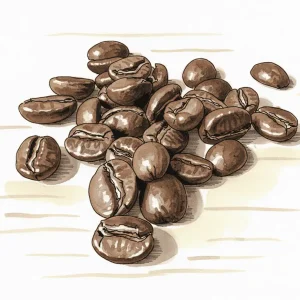
More About BRAZIL
Location and Terroir
Brazil is the world’s largest coffee producer and spans multiple regions, including Sul de Minas, Mogiana and Cerrado Mineiro. Each area distinguishes itself through altitude, climate and soil. Higher-lying districts (around 1,000 to 1,300 metres) yield greater complexity and refined aromas, while lower plateaus produce a steady, sweet flavor. During the dry winter months (May to September) rainfall is almost absent, which is ideal for sun‑drying coffee cherries.
Key Varieties
In Brazil, Arabica variants such as Mundo Novo, Catuaí and the highly prized Yellow Bourbon dominate. Mundo Novo is known for high yield and a classic nutty‑chocolate undertone, Catuaí combines fruity accents with mild acidity, and Yellow Bourbon excels with honey‑like sweetness and floral tones. Alongside these Arabicas there is Conilon (Robusta), mainly in Espírito Santo, which offers more body and earthy flavors.
Processing Methods and Quality
Natural drying (Natural) often takes place on large patios or raised beds, where the whole cherry dries together. This process yields a sweet, full mouthfeel with notes of nuts and cocoa. The Pulped Natural or Honey method removes the skin but leaves part of the pulp for extra sweetness. Although some estates also produce fully washed beans, Natural and Honey are the most common. Well‑known fazendas, such as Fazenda Daterra, also experiment with modern fermentation techniques and regularly achieve high scores in competitions like the Cup of Excellence.
Taste and Finish
The typical Brazilian flavour is characterised by mild to medium acidity, a creamy mouthfeel and sweet accents of chocolate, nuts or caramel. Sul de Minas sometimes adds subtle fruity or floral overtones, while Mogiana and Cerrado Mineiro are known for their balanced, approachable profile. This gentle acidity makes Brazilian coffee a perfect base for espresso blends but also a single‑origin favourite with an all‑round character.
Brewing and Roasting Tips
A medium to medium‑dark roast (City to Full City) brings out the best in Brazilian beans. Lighter roasts can reveal unripe or raw flavours, while roasts that are too dark can introduce ashy notes. Espresso lovers enjoy a delicious crema and smooth texture with a slightly longer extraction, especially with varieties like Yellow Bourbon. Filter methods such as the V60 or Chemex highlight the sweetness, while a French press emphasises the full body. For iced‑coffee fans, cold brew with Brazilian beans offers a mild, chocolate‑rich flavour without excessive bitterness.
Learn More in Amsterdam
Specialty coffee bars in various neighbourhoods of Amsterdam gladly serve Brazilian microlots because they pair well with diverse brew methods. Roasters that pay attention to traceable origin and mild roast profiles can achieve surprising results, especially when beans from regions such as Carmo de Minas or Bahia are selected. The result is a diverse range of unique flavour nuances, ideal for anyone seeking a cup that is both full‑bodied and subtle.