
 NL
Kloosterveen has a young, social coffee culture centred around Kloosterveste, Kloosterbrand and Concept Anders. Here, coffee goes hand in hand with grocery shopping, cake, lunch and neighbourhood activities.
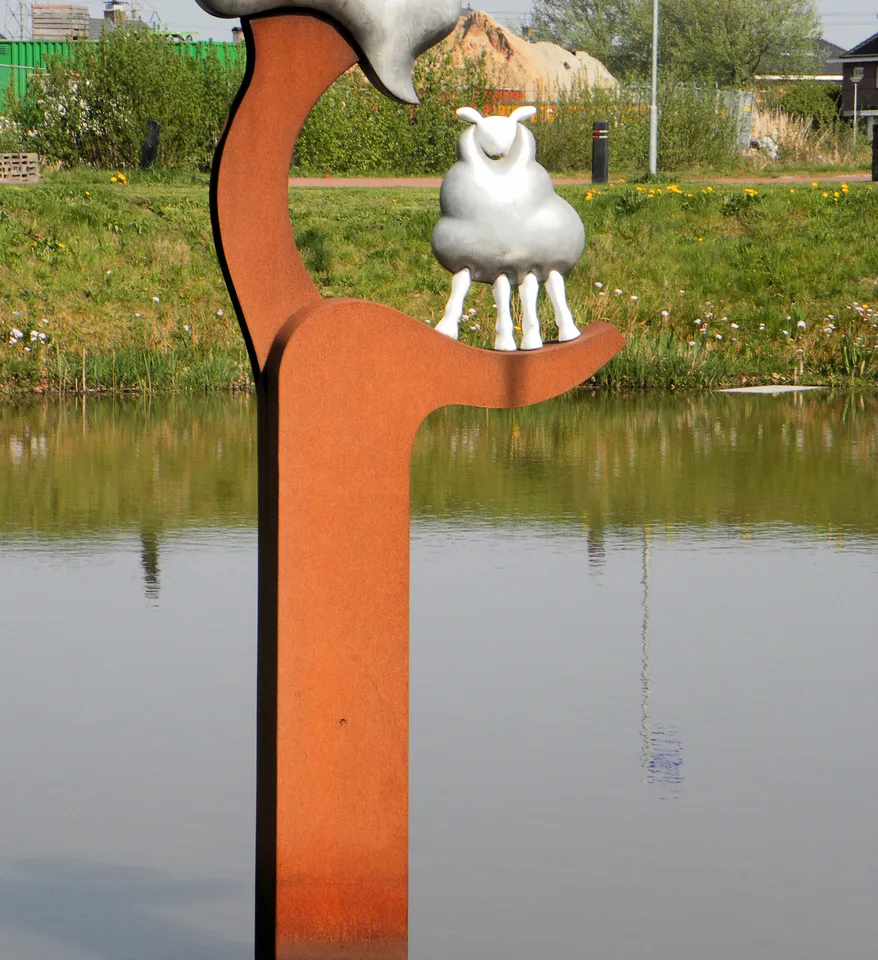
Roasters in Kloosterveen
Beukenhorst Koffie
Mocca d'Or
Coffee Bars in Kloosterveen
No coffee bars have been explored yet.
More over Kloosterveen
Kloosterveen: a young coffee culture with a neighborhood heart
Kloosterveen in Assen does not have a classic coffee profile featuring old city center cafés, student tables, or historic coffee houses. The neighborhood grew out of a peat landscape, where peat extraction since the eighteenth century formed the foundation. The Drentsche Hoofdvaart ran through the area starting in the 1770s, and by around 1780, there were already 100 inhabited houses. Yet, there is no reliable trace of early coffee houses within Kloosterveen.
The current coffee culture therefore aligns better with a young residential area than with an old hospitality district. The modern neighborhood was built starting in 1997 as part of Assen-West. Kloosterveen now has more than 4,000 homes, along with schools, healthcare, shops, and daily amenities. Here, coffee is primarily linked to social gatherings, shopping, pastries, and neighborhood activities.
From peatlands to planned residential living
The most distinct coffee lineage didn“didn’t emerge in a traditional café, but around Kloosterhaven. In 2008, the Oldambster farm on the Hoofdvaartsweg was converted into a live-work farm. By mid-2017, it hosted a coffee roastery, lunchroom Konvent, a theater, and various workshops. In doing so, coffee took on a social and artisanal role within the neighborhood.
The Kloosterveste shopping center also shifted the rhythm of coffee consumption. Since 2010, the center has served as the vibrant heart of the district, featuring 8,100 square meters of shops and services. As a result, coffee is often woven into daily routines: running errands, grabbing a sandwich, enjoying a vlaai, meeting a friend, or attending a community activity.
The key coffee players
The local coffee scene is small and accessible. Kloosterveen doesn’t have a series of true specialty bars within the neighborhood boundaries. Instead, there are a few spots that together shape the local coffee landscape: a micro-roaster, a social brasserie, and several bakery and pastry shops.
- Kloosterbrand Koffiebranders / De Haven van Kloosterveen / Trattoria Il Porto: located at Hoofdvaartsweg 124. This represents the neighborhood’s strongest specialty coffee claim, featuring artisanal roasting, small batches, quality control, and a commitment to sustainable producers.
- Restaurant Concept Anders: located in MFA Kloosterveste at Vesteplein 5. This spot combines hospitality, community gathering, and gifts, offering coffee, cake, and lunch.
- Limburgia Vlaai / De Zoete Buurvrouw: at Rondgang 109. This establishment focuses primarily on vlaai, pastries, cakes, chocolate, and ice cream, with coffee serving as the natural partner.
- Echte Bakker Jan Fleddérus: at Rondgang 2. The bakery supports the practical coffee break with sandwiches, pastries, cakes, vlaaien, and breakfast products.
- HEMA Kloosterveen: located at Rondgang 58–60. Not a coffee destination in its own right, but certainly part of the daily circuit of pastries and shopping.
Coffee as a catalyst for connection
In Kloosterveen, coffee acts primarily as social glue. The neighborhood has fewer “laptop cafes” and more moments centered around community contact, employment participation, and shared meals. Concept Anders plays a clear role in this. The location aims to be a meeting point for passersby and residents, while providing work experience for those distanced from the labor market.
The most recognizable coffee ritual is Veste^Praat. This drop-in session takes place every Tuesday from 10:00 to 12:00 at Concept Anders. Residents of Kloosterveen, young and old, can meet, share knowledge, and catch up. Coffee and tea are priced according to Concept Anders’ rates, with a contribution and discount scheme of €0.50.
Other neighborhood activities also create coffee moments. Around MFA Kloosterveste and the shopping area, there are formats such as Super Saturday, Vestelunch, and Repair Café. Additionally, De Haven van Kloosterveen offers a peaceful spot along the Drentsche Hoofdvaart, accessible by boat, bike, or on foot. Visitors stop here for coffee, fresh apple cake, lunch, or dinner.
The local flavor: practical, familiar, and family-oriented
The demand for coffee is strongly determined by the neighborhood’s demographics. In 2026, Kloosterveen had 12,025 inhabitants and counted 4,210 households in 2025. Of those households, 53 percent consisted of multi-person households with children. The average household size was 2.7 people.
The age distribution also points to a broad daily rhythm. In 2026, 20 percent of residents were 0 to 15 years old, 15 percent were 15 to 25, 23 percent were 25 to 45, 30 percent were 45 to 65, and 12 percent were 65 or older. This supports coffee moments centered around school, working from home, grocery shopping, and daytime meetups.
Furthermore, the neighborhood has a stable residential profile. Approximately 79 percent of the homes are owner-occupied, with an average WOZ value of €401,000. This image fits an established residential area, rather than a rapidly shifting student market. Consequently, the visible preference is for accessible coffee paired with pastries, bread, lunch, high tea, or a community activity.
Sustainability is Rooted in the Neighborhood Structure
Sustainability is present, but not as a distinct coffee movement. Kloosterbrand cites sustainable and fair producers as an important part of their sourcing and branding. Beyond that, the sustainable strength lies primarily in neighborhood projects, energy, and reuse. Repair Café Kloosterveen takes place every first Saturday, except in August, focusing on repairing instead of discarding.
The municipality also places Kloosterveen within the energy transition. The Kloosterveen Duurzaam Warm program prepares the neighborhood for gas-free districts. In 2024, 63 percent of homes had solar panels, 6 percent were completely gas-free, and 15 percent were primarily electrically heated. Thus, the coffee culture of Kloosterveen is young, social, and practical, with sustainability serving as a broad neighborhood foundation.